
How to Choose the Right Hinge for Heavy Doors and Gates?
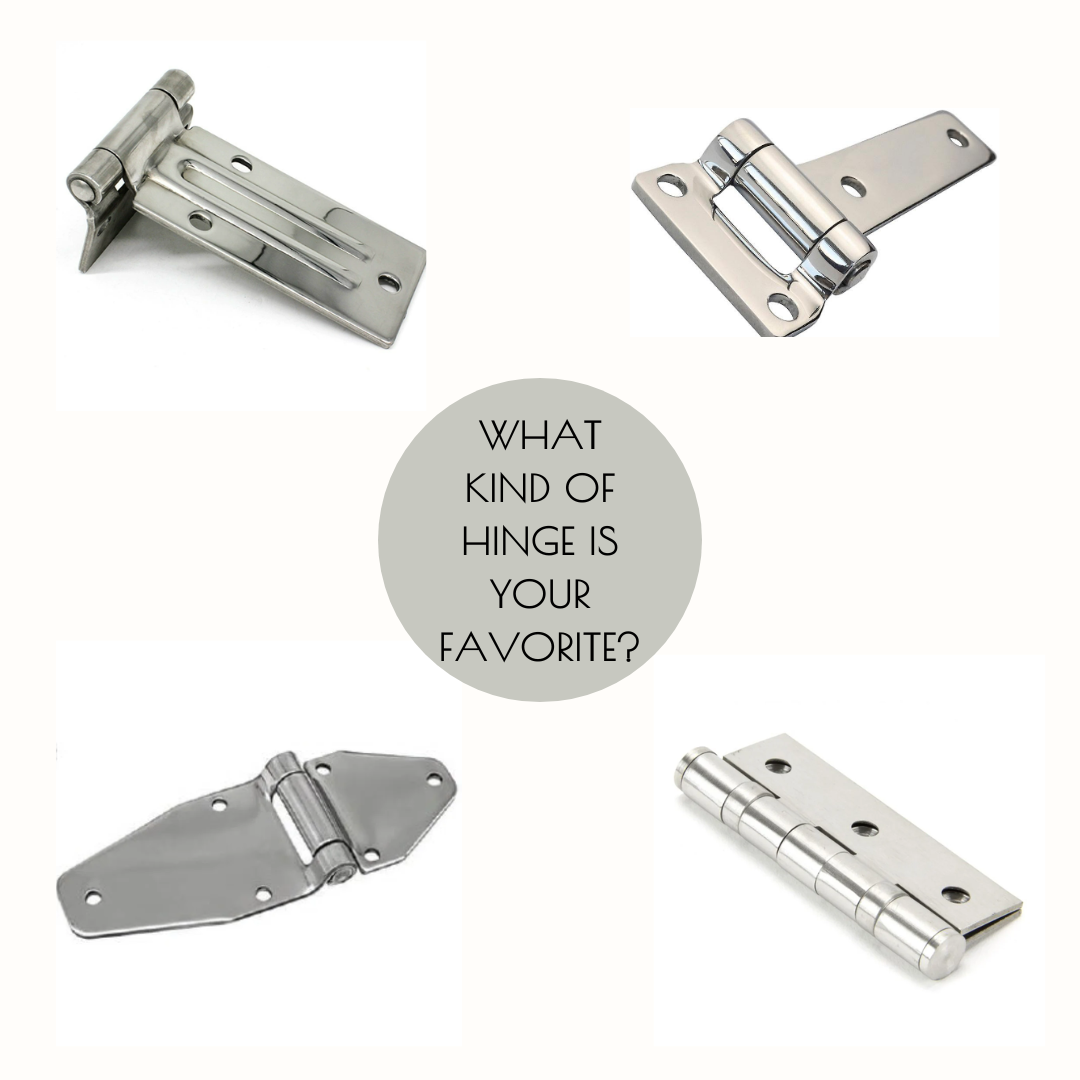
How to Choose the Right Hinge Size for Heavy Doors and Gates in Industrial and Outdoor Applications
When dealing with heavy doors or industrial gates, choosing the right hinge size is critical for performance, durability, and safety. The wrong hinge can lead to sagging, failure, or even structural damage. In this guide, we’ll help you understand the key factors in selecting the correct hinge size for your application, with expert insights into hinge types, materials, weight support, and installation tips.
Why Hinge Size Matters for Heavy Doors and Gates?
Heavy-duty doors and gates require strong support to function reliably over time. Incorrect hinge sizing can lead to:
-
Door misalignment or sagging
-
Early wear or hinge failure
-
Security risks due to structural weakness
Whether you're installing a steel security door, warehouse gate, or industrial enclosure, choosing the right hinge isn’t just about size — it's also about material, design, and load capacity.
Related reading: Door Hinges: Everything You Need to Know
Key Factors to Consider When Selecting Hinge Size
1. Door Weight & Dimensions
The heavier and taller the door, the larger and stronger the hinge must be. Consider:
-
Weight: Total weight the hinge must support (including door, hardware, weatherstripping)
-
Height: Taller doors may need 3 or more hinges for even weight distribution
General Rule of Thumb:
For every 20kg of door weight, use a larger gauge hinge with higher load capacity.
2. Hinge Type
Each hinge type serves different purposes for heavy-duty applications. Popular options include:
? Butt Hinges : Ideal for interior/exterior heavy doors. They offer strong support and clean aesthetics.
? Stainless Steel Hinges: Resistant to rust, corrosion, and wear — perfect for outdoor gates or harsh environments.
? Corner Hinges : Used in tight spaces or custom metal gate installations, especially where 90-degree alignment is needed.
3. Material Strength
For heavy-duty applications, look for hinges made from:
-
Stainless Steel: Long-lasting and corrosion-resistant
-
Steel (Zinc Plated): Strong with moderate rust resistance
-
Brass or Bronze: Less common for industrial, but good for aesthetic heavy doors
? Pro Tip: Match your hinge material to the environmental conditions and door material for optimal longevity.
4. Load Capacity & Bearing Type
Many industrial hinges use ball bearings or lubricated knuckles to reduce friction on heavy doors. Look for:
-
Load ratings (e.g., 80kg, 120kg, 200kg)
-
Lubricated pivot points for smoother operation
5. Number of Hinges Required
Heavy doors often need three or more hinges:
| Door Height | Recommended Hinges |
|---|---|
| Up to 2100mm | 3 Hinges |
| 2100–2400mm | 4 Hinges |
| Over 2400mm | 4–5 Hinges |
More hinges distribute the weight evenly and reduce stress on each hinge point.
Recommended Hinges for Heavy-Duty Applications
Here are some top hinge options from our industrial hardware catalogue:
-
Butt Hinges for Industrial Doors – Great for general-purpose heavy doors
-
Stainless Steel Hinges – Ideal for outdoor use or high-moisture environments
-
Corner Hinges – For custom setups or space-saving installations
Installation Tips for Heavy Door Hinges
-
Pre-drill holes to avoid splitting or misalignment
-
Always use heavy-duty screws (at least 30mm–40mm)
-
Install from top to bottom, ensuring level alignment
-
Test the door’s swing and re-tighten after 24–48 hours
Final Thoughts:
Choosing the right hinge size and type is crucial when installing heavy doors and gates. Always factor in the weight, material, environmental exposure, and number of hinges required. A proper hinge setup ensures safe, long-lasting, and smooth door operation.
? Need help choosing the right hinge? Contact FactoryYard for expert advice or explore our full range of industrial hinges.
Andriy Alyeksyeyev (Author)

Andriy Alyeksyeyev is a dedicated hardware supplier and manufacturer, serving as the Chief Executive Officer of multiple companies specializing in industrial hardware solutions.
1. Factory Yard Limited
Based in Derbyshire, United Kingdom, Factory Yard Limited focuses on providing a wide range of industrial hardware components. Their product offerings include:Компас
-
Industrial Locks: Cam locks, quarter-turn locks, swing handles, mailbox locks, stainless steel locks, latch locks, code locks, electronic locks, and drawer locks.
-
Industrial Hinges: Butt hinges, concealed hinges, continuous hinges, stainless steel hinges, corner hinges, and side hinges.
-
Handles: Grip handles, pull handles, carry handles, spring handles, and stainless steel handles.
-
Latches: Toggle latches, stainless steel latches, and slam latches.
-
Gaskets: Adhesive gaskets, edge protection, and sealing profiles.
2. RZ-market (LLC "Osnova-Market")
Located in Kharkiv, Ukraine, RZ-market specializes in the wholesale of industrial hardware. Under Andriy Alyeksyeyev's leadership, the company offers:РЗ-Маркет+1РЗ-Маркет+1РЗ-Маркет+1
-
Industrial Hardware: Locks, hinges, handles, door seals, stainless steel products, accessories for metal cabinets, industrial wheels, drawer runners, and leveling feet.
-
Electrical Hardware: Busbar connectors, cable ducts, cable fasteners, cable glands, cable markers, cable terminals, cable ties, crimping tools, electrical wire connectors, industrial LED signal lights, insulating tape, neutral bus bars, rocker switches, spiral cable wraps, terminal blocks, wire terminals, and heat shrink tubing.
-
Door Furniture: Door closers, fire-rated door hardware, cylinders, door locks, and door handles.
RZ-market serves a broad spectrum of industries, including manufacturing, electrical engineering, and transportation. For detailed product information, visit their website: rz-market.com
3. Working Principles of Andriy Alyeksyeyev
- Efficiency - all the projects must be efficient for both our clients and ourselves, based on win-win approach
- Valuability - understanding and approaching the values of every client
- Unity - customer first, reaching all the clients goals to make him happy
Through these enterprises, Andriy Alyeksyeyev demonstrates a strong commitment to delivering high-quality hardware solutions across diverse industries and markets.