
Heavy Duty Stainless Steel Door Stays UK
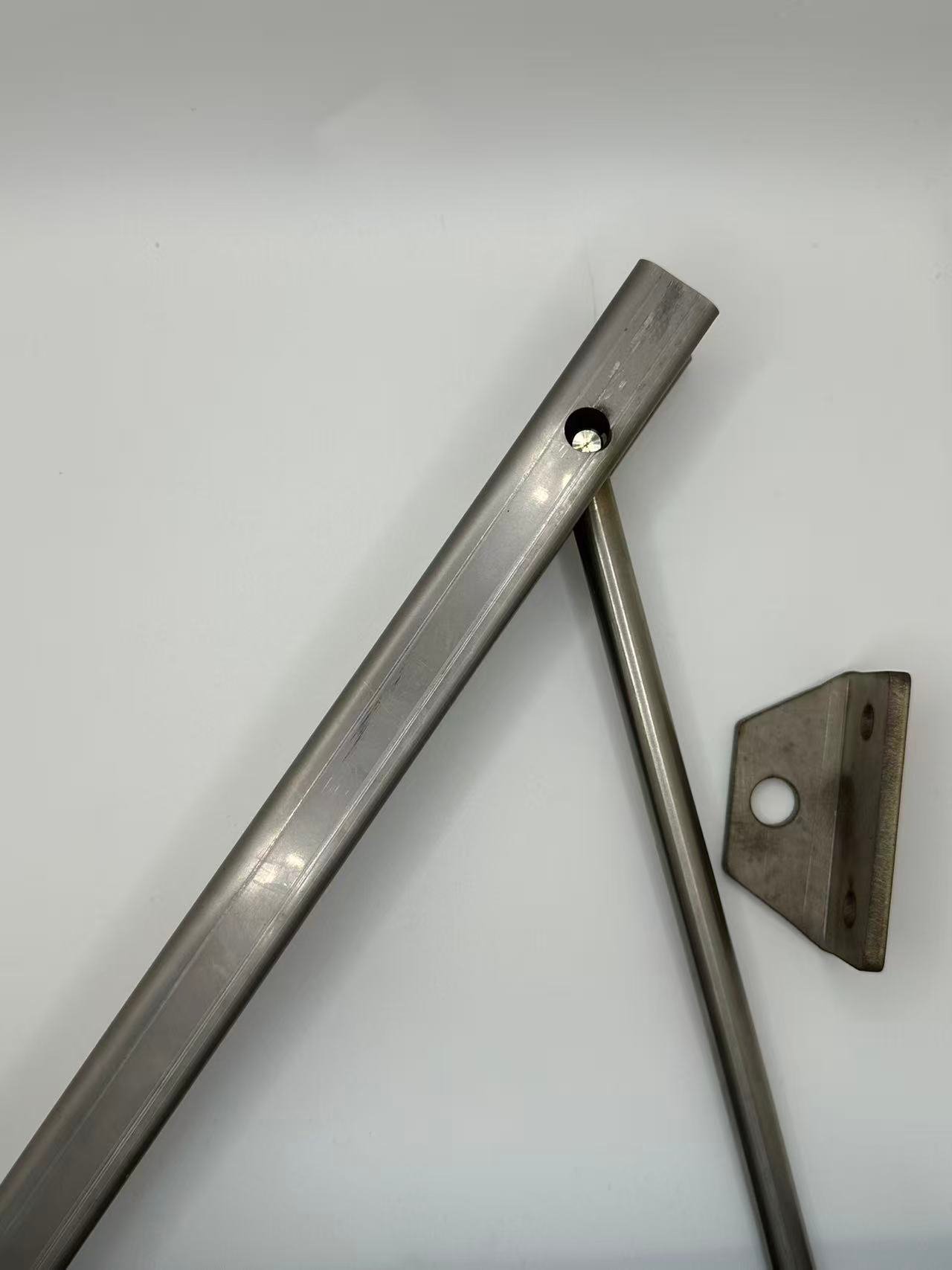
Industrial Door Stays – Regular & Heavy-Duty Door Stay Supply
Reliable Door Stays for Cabinets, Enclosures, Machinery and Industrial Equipment
A door stay may be a relatively small component, but it plays an important role in the safe and practical operation of doors, panels and access covers.
A properly selected door stay can help control door movement, limit opening, support positioning and prevent unwanted movement during operation, maintenance and servicing.
At Factory Yard, we produce and supply industrial door stays, heavy-duty door stays and stainless steel door stays for manufacturers, engineering companies, enclosure manufacturers, distributors and other B2B customers.
Our door stays are available for both regular-duty and heavy-duty applications, with different materials, dimensions and configurations available according to project requirements.
Whether you need a small quantity for an individual project or repeat production quantities for OEM manufacturing, we can provide a competitive industrial hardware supply solution.
What Is a Door Stay?
A door stay is a mechanical component used to control or restrict the movement of a door, panel, hatch or access cover.
Depending on the design, a door stay can:
- Limit the maximum opening angle
- Hold a door in a selected position
- Prevent excessive opening
- Reduce unwanted movement
- Improve access to equipment
- Protect hinges and surrounding components
- Make maintenance access easier
Door stays are widely used in industrial cabinets, electrical enclosures, machinery, transport equipment, access panels and specialist equipment.
The correct door stay depends on the size, weight, opening angle, operating environment and mechanical requirements of the door.
Regular Door Stays
Regular door stays are suitable for applications where the door or panel has moderate dimensions and loading.
Typical applications include:
- Electrical cabinets
- Control panels
- Industrial enclosures
- Small machinery
- Access panels
- Storage cabinets
- Equipment housings
- Control boxes
- Service doors
A regular door stay can provide a simple and reliable method of controlling door movement without adding unnecessary complexity or weight to the assembly.
For standard cabinet and enclosure applications, selecting the correct length, mounting arrangement and opening limitation is usually the most important consideration.
Heavy-Duty Door Stays
Heavy-duty door stays are designed for applications where the door, panel or hatch is larger, heavier or exposed to more demanding operating conditions.
Typical applications include:
- Large industrial cabinets
- Heavy electrical enclosures
- Machinery doors
- Generator enclosures
- Transport equipment
- Commercial vehicle bodies
- Large access panels
- Industrial equipment
- Outdoor cabinets
- Heavy-duty service doors
A heavy-duty door stay may be required where the door creates greater mechanical loads on the stay during opening and closing.
For these applications, the complete installation should be considered rather than selecting a door stay based only on its nominal size.
Important factors include:
Door weight
A heavier door can generate significantly greater loads during operation.
Door dimensions
Large doors can create greater leverage on the mounting points.
Opening angle
The required opening angle affects the geometry and operating forces of the stay.
Frequency of operation
Equipment doors that are opened many times per day may require a more robust solution.
Vibration
Machinery and transport applications may expose the stay to repeated vibration and movement.
Environment
Moisture, corrosion, chemicals, temperature and outdoor exposure can affect material selection and service life.
Stainless Steel Door Stays
Stainless steel is widely used for industrial door stays where corrosion resistance and durability are important.
Depending on the application, stainless steel door stays can be suitable for:
- Outdoor equipment
- Industrial enclosures
- Electrical cabinets
- Food-processing equipment
- Transport equipment
- Marine-related applications
- Machinery
- Specialist industrial equipment
Common stainless steel grades include AISI 304 and AISI 316, although the correct grade should always be selected according to the actual operating environment.
The current EN 10088 series provides European material specifications for stainless steels. EN 10088-1 covers the list and chemical composition of stainless steels, while EN 10088-2 covers technical delivery conditions for stainless steel sheet, plate and strip.
Importantly, these are material standards, not a universal product-performance standard for finished door stays.
Choosing Between a Regular and Heavy-Duty Door Stay
Choosing the correct door stay is not simply a question of choosing the longest or strongest-looking component.
Consider the following:
1. Door Weight
Determine the approximate weight of the door or panel.
2. Door Size
A large door can produce considerably more leverage than a small door, even when both have similar weights.
3. Required Opening Angle
Determine how far the door needs to open and whether the stay must restrict the movement to a particular position.
4. Mounting Position
The distance between the hinge, door stay and mounting points affects the forces acting on the stay.
5. Operating Frequency
Doors opened occasionally for maintenance may have different requirements from doors operated many times every day.
6. Vibration
For vehicles, machinery and transport equipment, vibration should be considered when selecting the complete door-stay system.
7. Environment
Indoor, outdoor, marine and chemically exposed applications may require different materials and finishes.
Door Stays for Industrial Enclosures
Industrial enclosure manufacturers frequently use door stays to improve access and prevent doors from opening beyond the intended position.
Applications include:
- Electrical distribution cabinets
- Control cabinets
- Automation enclosures
- Telecom cabinets
- GRP enclosures
- Outdoor electrical cabinets
- Machinery control panels
- Generator enclosures
A suitable door stay can make maintenance work easier by keeping the door within a controlled opening range.
It can also help reduce the risk of the door contacting adjacent equipment, walls or other components.
Door Stays for Machinery
Machinery often requires regular access for:
- Maintenance
- Inspection
- Cleaning
- Adjustment
- Replacement of components
- Servicing
A properly selected door stay can make these operations more convenient while controlling the movement of the machine door or access panel.
For machinery applications, the stay should be selected together with the hinge, door construction and mounting hardware.
Door Stays for Transport Equipment
Door stays are also used on:
- Trucks
- Vans
- Trailers
- Transport boxes
- Mobile workshops
- Commercial vehicles
- Specialist vehicle bodies
- Storage compartments
Transport applications can be more demanding because doors may experience vibration, movement, wind loads and repeated opening and closing.
For these applications, heavy-duty door stays may be preferable, depending on the door construction and operating conditions.
Door Stay Production and Testing
Production is only one part of supplying reliable industrial hardware.
At Factory Yard, testing is an important milestone in the production process.
After manufacturing and assembly, door stays can be checked for aspects such as:
- Correct assembly
- Mechanical movement
- Consistent operation
- Dimensional conformity
- Positioning
- General product performance
Testing helps identify production issues before products move into regular supply.
For B2B customers, this is particularly important because consistent product performance becomes increasingly important when supplying the same component across repeated production batches.
Industrial Door Stay Supply for OEM Customers
Factory Yard supplies industrial hardware to:
- OEM manufacturers
- Engineering companies
- Electrical enclosure manufacturers
- Cabinet manufacturers
- Machinery manufacturers
- Transport equipment manufacturers
- Industrial distributors
- Hardware resellers
We can support both standard product supply and project-specific requirements.
If you need 20 pieces for a development project or regular production quantities every month, we can discuss the appropriate supply arrangement.
Custom Door Stays
Not every application can use a standard door stay.
Depending on production feasibility, requirements may include:
- Different overall length
- Different mounting dimensions
- Different hole positions
- Different materials
- Different stainless steel grades
- Different finishes
- Different opening limitations
- Higher mechanical strength
- OEM-specific configurations
If you already have a door stay that you want to replace or source from an alternative supplier, send us:
- A photograph
- Dimensions
- Drawing
- Material specification
- Current supplier reference
- Required quantity
We can review the requirement and identify a suitable solution.
Stainless Steel Material Standards
For stainless steel door stays, the material grade should be clearly specified where corrosion resistance is important.
The EN 10088 series is an important reference for stainless steel materials in Europe. EN 10088-1 lists stainless steel grades and their chemical compositions, while EN 10088-2 specifies technical delivery conditions for stainless steel sheet, plate and strip for general purposes.
However, specifying a material according to EN 10088 does not automatically mean that a finished door stay is certified to a product-performance standard.
For a specific project, customers should confirm:
- Required stainless steel grade
- Material certificate requirements
- Corrosion resistance requirements
- Mechanical requirements
- Product testing requirements
- Any customer-specific documentation
If you require specific documentation, tell us before ordering so the availability can be confirmed for the particular product.
Material Disclaimer
Material selection should always be based on the actual application.
AISI 304 stainless steel provides good corrosion resistance for many industrial applications, while AISI 316 may be more appropriate in certain environments with higher corrosion exposure, including some chloride-containing or marine environments.
However, no stainless steel grade should automatically be considered suitable for every environment.
Actual performance can depend on:
- Material grade
- Surface finish
- Manufacturing process
- Installation
- Temperature
- Humidity
- Salt or chloride exposure
- Chemicals
- Mechanical loading
- Cleaning
- Maintenance
Dimensions and mechanical characteristics should be confirmed against the specification of the individual product.
Where a door stay is used on a heavy or safety-critical door, the designer or manufacturer should verify the complete assembly, including the door, hinges, mounting points, fasteners and stay.
Standards and Compliance
There is no single universal standard that automatically certifies every industrial door stay for every application.
Standards relating to building door hardware should not automatically be applied to industrial cabinet door stays.
For example, EN 12209 concerns mechanically operated locks and locking plates, including requirements and test methods for durability, strength, security and functionality. It should therefore not be presented as a universal door-stay standard.
For stainless steel materials, the relevant EN 10088 series may be used to specify material grades and delivery conditions.
Where a project has specific compliance, testing or documentation requirements, these should be agreed before production or purchase.
Why Choose Factory Yard as Your Door Stay Supplier?
Factory Yard focuses on industrial hardware for cabinets, enclosures, machinery, transport equipment and specialist applications.
Our approach is designed around the needs of B2B customers who need more than a one-off hardware purchase.
We can support:
Standard industrial hardware
For regular cabinet, enclosure and machinery requirements.
Heavy-duty applications
For larger doors, panels and demanding equipment.
Stainless steel hardware
For applications where corrosion resistance is important.
OEM supply
For manufacturers requiring consistent repeat production.
Batch supply
For customers purchasing multiple industrial hardware components.
Custom requirements
For unusual dimensions, materials or configurations.
Combine Door Stays With Your Industrial Hardware Order
Door stays are often only one component of a larger industrial hardware requirement.
For example, a cabinet manufacturer may require:
- Door stays
- Stainless steel hinges
- Continuous hinges
- Quarter-turn locks
- Cam locks
- Toggle latches
- Handles
- Spring bolts
- Lock inserts
- Keys
Instead of sourcing every component separately, you can ask Factory Yard to quote your complete industrial hardware requirement.
This can simplify procurement and potentially reduce the overall logistics and purchasing cost.
Explore our related industrial hinges, stainless steel hinges, toggle latches and quarter-turn locks.
For larger requirements, contact us with your parts list, drawings or specifications and request a B2B quotation.
Frequently Asked Questions About Door Stays
What is a door stay?
A door stay is a mechanical device used to control, limit or support the movement of a door, panel, hatch or access cover.
What is a heavy-duty door stay?
A heavy-duty door stay is designed for applications where the door or panel is larger, heavier or exposed to more demanding mechanical conditions than a typical cabinet door.
Where are door stays used?
Door stays are commonly used in industrial cabinets, electrical enclosures, machinery, transport equipment, vehicle bodies, access panels and specialist equipment.
What is the difference between a regular and heavy-duty door stay?
The main difference is the intended mechanical application. Heavy-duty door stays are generally selected for larger or heavier doors and more demanding operating conditions. The actual suitability should be confirmed from the product specification and application.
Are stainless steel door stays suitable for outdoor use?
Stainless steel can be suitable for many outdoor applications, but the correct grade and finish must be selected according to environmental exposure.
Is AISI 304 suitable for a door stay?
AISI 304 can be suitable for many industrial and outdoor applications. However, the actual environment should be assessed before selecting the material.
When should I use AISI 316?
AISI 316 is often considered where increased corrosion resistance is required, particularly in certain chloride or marine environments. The final material choice should be based on the actual conditions.
Can door stays be used on heavy machinery doors?
Yes, provided the door stay is correctly specified for the door weight, dimensions, opening geometry, vibration and mounting arrangement.
Can you supply heavy-duty door stays for OEM production?
Yes. Factory Yard can discuss OEM and repeat supply requirements, subject to the product specification and production quantities.
Can you manufacture custom door stays?
Custom requirements can be discussed for dimensions, materials, mounting configurations and other characteristics, subject to production feasibility.
Can you supply door stays together with other industrial hardware?
Yes. We can supply door stays alongside hinges, continuous hinges, quarter-turn locks, latches, handles, spring bolts and other cabinet and enclosure hardware.
Can you supply door stays in bulk?
Yes. We supply industrial hardware for B2B customers, including manufacturers, distributors and resellers. Contact us with your required quantity and specification for a quotation.
Request a B2B Door Stay Quotation
Whether you need regular door stays for industrial cabinets, heavy-duty door stays for machinery, or stainless steel door stays for demanding environments, Factory Yard can help you find the right supply solution.
Send us your:
Drawing | Photograph | Dimensions | Material | Quantity | Application
We can review your requirement and provide a suitable quotation.
Factory Yard — Industrial Hardware for Cabinets, Enclosures, Machinery and Specialist Equipment.
Products

Andriy Alyeksyeyev (Author)

Andriy Alyeksyeyev is a dedicated hardware supplier and manufacturer, serving as the Chief Executive Officer of multiple companies specializing in industrial hardware solutions.
1. Factory Yard Limited
Based in Derbyshire, United Kingdom, Factory Yard Limited focuses on providing a wide range of industrial hardware components. Their product offerings include:Компас
-
Industrial Locks: Cam locks, quarter-turn locks, swing handles, mailbox locks, stainless steel locks, latch locks, code locks, electronic locks, and drawer locks.
-
Industrial Hinges: Butt hinges, concealed hinges, continuous hinges, stainless steel hinges, corner hinges, and side hinges.
-
Handles: Grip handles, pull handles, carry handles, spring handles, and stainless steel handles.
-
Latches: Toggle latches, stainless steel latches, and slam latches.
-
Gaskets: Adhesive gaskets, edge protection, and sealing profiles.
2. RZ-market (LLC "Osnova-Market")
Located in Kharkiv, Ukraine, RZ-market specializes in the wholesale of industrial hardware. Under Andriy Alyeksyeyev's leadership, the company offers:РЗ-Маркет+1РЗ-Маркет+1РЗ-Маркет+1
-
Industrial Hardware: Locks, hinges, handles, door seals, stainless steel products, accessories for metal cabinets, industrial wheels, drawer runners, and leveling feet.
-
Electrical Hardware: Busbar connectors, cable ducts, cable fasteners, cable glands, cable markers, cable terminals, cable ties, crimping tools, electrical wire connectors, industrial LED signal lights, insulating tape, neutral bus bars, rocker switches, spiral cable wraps, terminal blocks, wire terminals, and heat shrink tubing.
-
Door Furniture: Door closers, fire-rated door hardware, cylinders, door locks, and door handles.
RZ-market serves a broad spectrum of industries, including manufacturing, electrical engineering, and transportation. For detailed product information, visit their website: rz-market.com
3. Working Principles of Andriy Alyeksyeyev
- Efficiency - all the projects must be efficient for both our clients and ourselves, based on win-win approach
- Valuability - understanding and approaching the values of every client
- Unity - customer first, reaching all the clients goals to make him happy
Through these enterprises, Andriy Alyeksyeyev demonstrates a strong commitment to delivering high-quality hardware solutions across diverse industries and markets.