
IP Ratings for Quarter-Turn Locks: Meaning for Enclosures
IP Ratings for Quarter-Turn Locks: Understanding Protection Levels for Industrial Cabinets and Enclosures
When designing or specifying industrial cabinets and enclosures, choosing the right quarter-turn lock goes beyond security and convenience. One of the most critical factors is the IP rating, which determines how well the lock protects the cabinet from dust, water, and harsh environmental conditions.
Incorrect IP selection can lead to moisture ingress, corrosion, electrical failure, and costly downtime. This article explains IP ratings for quarter-turn locks and how they directly impact cabinet performance and lifespan.
What Is an IP Rating?
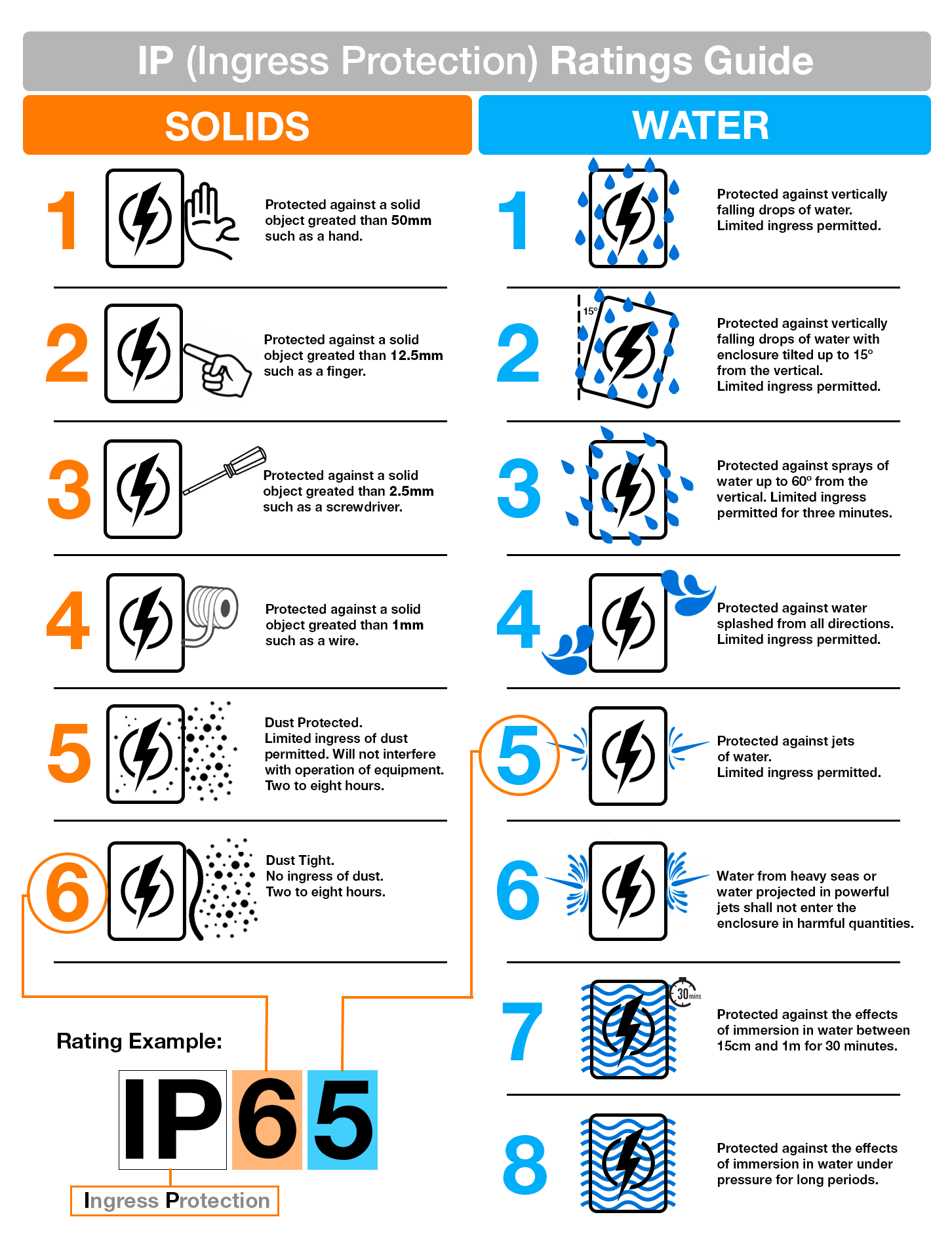
An IP rating (Ingress Protection) is an international standard defined by IEC 60529. It classifies the degree of protection provided by an enclosure or component against:
-
Solid objects and dust (first digit)
-
Liquids and moisture (second digit)
For quarter-turn locks, the IP rating reflects how effectively the lock seals the cabinet opening once installed.
Understanding the IP Code for Quarter-Turn Locks
The IP code consists of two numbers:
-
First digit (0–6): Protection against solids and dust
-
Second digit (0–9): Protection against water
The higher the number, the greater the protection.
Common IP Ratings for Quarter-Turn Locks
IP54 Quarter-Turn Locks
-
Limited dust ingress
-
Protection against splashing water
Typical use: Indoor electrical cabinets, office furniture, control panels in clean environments
IP65 Quarter-Turn Locks
-
Completely dust-tight
-
Protected against water jets
Typical use: Industrial enclosures, telecom cabinets, factory floor applications
IP66 Quarter-Turn Locks
-
Dust-tight
-
Protected against powerful water jets
Typical use: Outdoor cabinets, wash-down areas, harsh industrial environments
IP67 Quarter-Turn Locks
-
Dust-tight
-
Protected against temporary immersion in water
Typical use: Outdoor enclosures exposed to flooding, heavy rain, or extreme weather
Why IP Rating Is Critical for Cabinets
Choosing the correct IP rating for quarter-turn locks ensures:
-
Protection of sensitive electronics from dust and moisture
-
Longer service life of cabinets and internal components
-
Reduced maintenance and failure risk
-
Compliance with customer and industry specifications
-
Improved reliability in outdoor and industrial installations
Even if the cabinet body meets a high IP rating, a low-rated lock can compromise the entire enclosure.
How Quarter-Turn Lock Design Affects IP Rating
The IP performance of a quarter-turn lock depends on several factors:
-
Integrated sealing gasket or O-ring
-
Lock housing material (zinc alloy, stainless steel, plastic)
-
Installation torque and panel cut-out accuracy
-
Compatibility with cabinet thickness and door design
High-quality quarter-turn locks are engineered to maintain consistent compression on the seal, ensuring reliable ingress protection over time.
Choosing the Right IP Rating for Your Application
Before selecting a quarter-turn lock, consider:
-
Indoor vs outdoor installation
-
Exposure to rain, wash-down, or humidity
-
Presence of dust, chemicals, or corrosive environments
-
Regulatory or customer IP requirements
Matching the lock’s IP rating to real operating conditions is essential for long-term cabinet performance.
Conclusion
IP ratings for quarter-turn locks are not optional details — they are critical design parameters. The right IP-rated lock protects the cabinet, the equipment inside, and ultimately the reliability of the entire system.
For electrical, telecom, and industrial cabinets, selecting a quarter-turn lock with the appropriate IP rating ensures durability, compliance, and peace of mind.
Andriy Alyeksyeyev (Author)

Andriy Alyeksyeyev is a dedicated hardware supplier and manufacturer, serving as the Chief Executive Officer of multiple companies specializing in industrial hardware solutions.
1. Factory Yard Limited
Based in Derbyshire, United Kingdom, Factory Yard Limited focuses on providing a wide range of industrial hardware components. Their product offerings include:Компас
-
Industrial Locks: Cam locks, quarter-turn locks, swing handles, mailbox locks, stainless steel locks, latch locks, code locks, electronic locks, and drawer locks.
-
Industrial Hinges: Butt hinges, concealed hinges, continuous hinges, stainless steel hinges, corner hinges, and side hinges.
-
Handles: Grip handles, pull handles, carry handles, spring handles, and stainless steel handles.
-
Latches: Toggle latches, stainless steel latches, and slam latches.
-
Gaskets: Adhesive gaskets, edge protection, and sealing profiles.
2. RZ-market (LLC "Osnova-Market")
Located in Kharkiv, Ukraine, RZ-market specializes in the wholesale of industrial hardware. Under Andriy Alyeksyeyev's leadership, the company offers:РЗ-Маркет+1РЗ-Маркет+1РЗ-Маркет+1
-
Industrial Hardware: Locks, hinges, handles, door seals, stainless steel products, accessories for metal cabinets, industrial wheels, drawer runners, and leveling feet.
-
Electrical Hardware: Busbar connectors, cable ducts, cable fasteners, cable glands, cable markers, cable terminals, cable ties, crimping tools, electrical wire connectors, industrial LED signal lights, insulating tape, neutral bus bars, rocker switches, spiral cable wraps, terminal blocks, wire terminals, and heat shrink tubing.
-
Door Furniture: Door closers, fire-rated door hardware, cylinders, door locks, and door handles.
RZ-market serves a broad spectrum of industries, including manufacturing, electrical engineering, and transportation. For detailed product information, visit their website: rz-market.com
3. Working Principles of Andriy Alyeksyeyev
- Efficiency - all the projects must be efficient for both our clients and ourselves, based on win-win approach
- Valuability - understanding and approaching the values of every client
- Unity - customer first, reaching all the clients goals to make him happy
Through these enterprises, Andriy Alyeksyeyev demonstrates a strong commitment to delivering high-quality hardware solutions across diverse industries and markets.