
Case Study: Heavy Duty T-Hinge with Permanent Anti-Corrosion Requirement
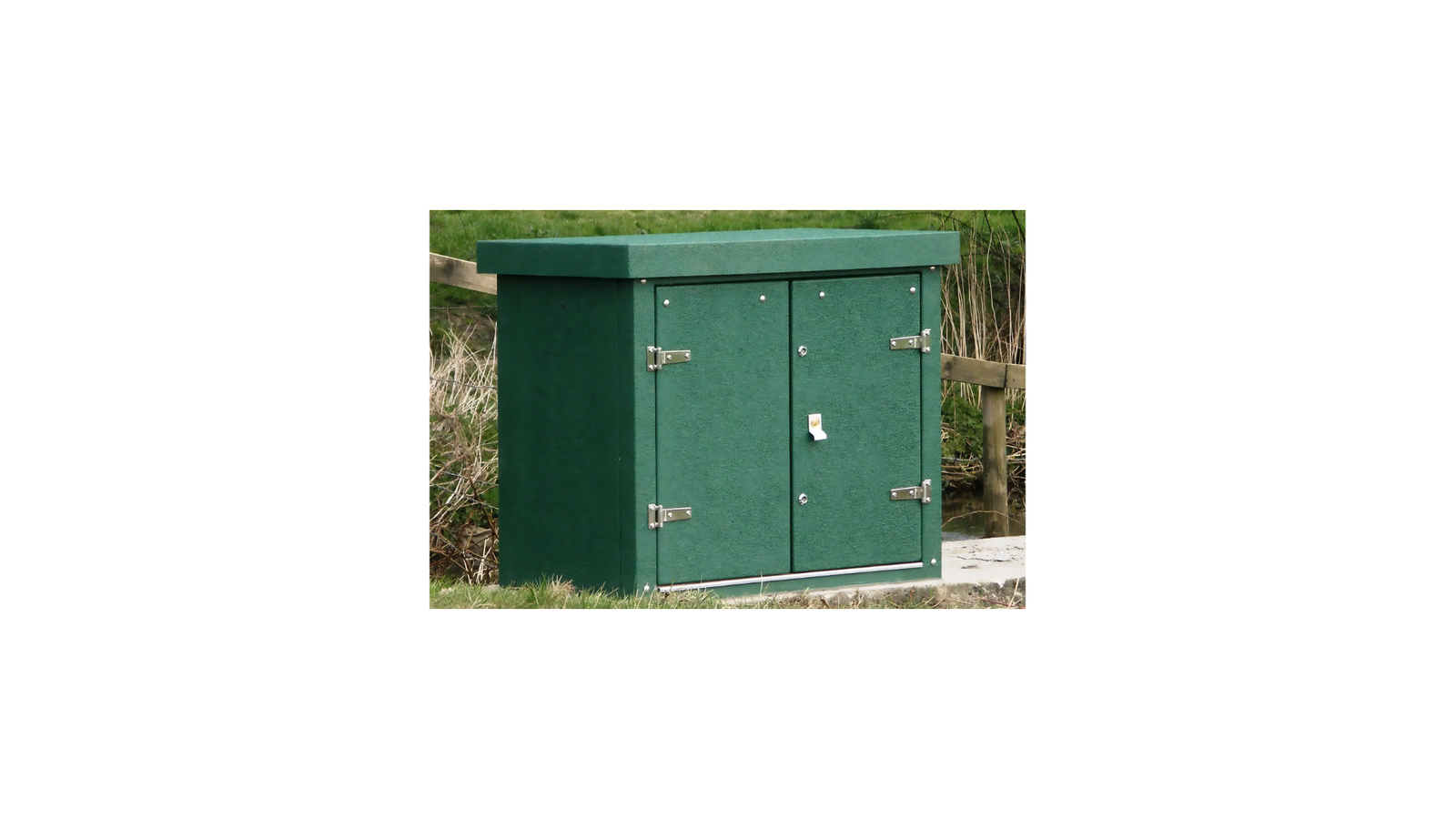
Client Requirement
A UK industrial enclosure manufacturer approached us with a clear concern:
“We need heavy duty T-hinges that stay shiny and never rust in service.”
Their existing hinges—made from plated mild steel—were showing early signs of surface corrosion and dulling, especially in humid outdoor environments. The client required a long-term, maintenance-free solution suitable for UK conditions.
Challenge
The application involved:
-
Outdoor exposure
-
High humidity and temperature variation
-
Long service life expectation
-
Premium visual appearance (no staining or dulling)
Standard zinc-plated or powder-coated hinges were not sufficient for this environment.
Our Technical Assessment
We evaluated the operating conditions and explained an important reality:
-
Coated carbon steel can eventually fail when the coating is damaged.
-
True corrosion resistance must come from the base material itself, not just surface treatment.
Why Stainless Steel?
Stainless steel forms a passive chromium oxide layer that protects against corrosion. The key decision was which grade to specify.
Recommended Solution
We recommended manufacturing the heavy duty T-hinges exclusively from:
-
Stainless Steel 304 (EN 1.4301)
-
Stainless Steel 316 (EN 1.4401 / 1.4404)
Material Selection Logic
Grade 304 — General Outdoor Use
-
Excellent corrosion resistance in normal atmospheric conditions
-
Cost-effective for indoor and mild outdoor environments
-
Contains approx. 18% chromium and 8% nickel
Grade 316 — Harsh / Coastal / Industrial Use
-
Contains ~2% molybdenum for superior chloride resistance
-
Much better resistance to pitting and crevice corrosion
-
Recommended for marine, chemical, and aggressive environments
? In simple terms: 304 resists rust well; 316 resists it exceptionally well.
Implementation
We supplied heavy duty T-hinges manufactured from certified stainless steel with:
-
Material certificates (EN 10204 3.1 available)
-
Precision finishing for long-term shine
-
Passivated surface for maximum corrosion resistance
-
Full UK market compliance
Results
After deployment, the client reported:
✅ No visible corrosion after extended outdoor exposure
✅ Maintained bright metallic appearance
✅ Reduced maintenance requirements
✅ Improved product reliability perception
The client has since standardized stainless steel hinges across new projects.
UK Compliance & Material References
For UK and European projects, these stainless grades correspond to:
-
304: EN 1.4301
-
316: EN 1.4401 / EN 1.4404
Authoritative technical guidance:
-
British Stainless Steel Association technical resources:
https://bssa.org.uk/technical-help/types-grades/austenitic-stainless-steels/ -
UK engineering comparison of 304 vs 316:
https://www.essentracomponents.com/en-gb/news/solutions/access-hardware/304-vs-316-stainless-steel
(These are widely accepted references for UK material compliance.)
Conclusion
When the requirement is “always shiny, no rust,” coatings are not enough.
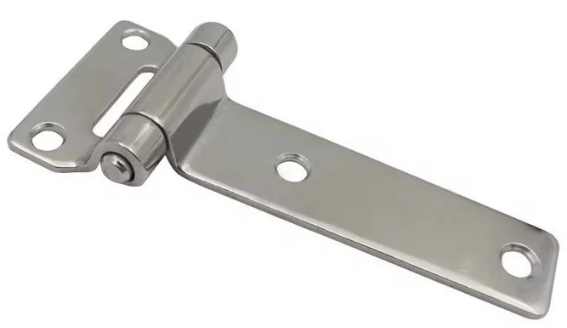
The correct engineering decision is to use solid stainless steel hinges:
-
Choose 304 for standard indoor/outdoor environments
-
Choose 316 for coastal, chemical, or high-humidity exposure
For heavy duty applications where reputation and longevity matter, stainless steel is the only reliable long-term solution.
Blog Related Article
Andriy Alyeksyeyev (Author)

Andriy Alyeksyeyev is a dedicated hardware supplier and manufacturer, serving as the Chief Executive Officer of multiple companies specializing in industrial hardware solutions.
1. Factory Yard Limited
Based in Derbyshire, United Kingdom, Factory Yard Limited focuses on providing a wide range of industrial hardware components. Their product offerings include:Компас
-
Industrial Locks: Cam locks, quarter-turn locks, swing handles, mailbox locks, stainless steel locks, latch locks, code locks, electronic locks, and drawer locks.
-
Industrial Hinges: Butt hinges, concealed hinges, continuous hinges, stainless steel hinges, corner hinges, and side hinges.
-
Handles: Grip handles, pull handles, carry handles, spring handles, and stainless steel handles.
-
Latches: Toggle latches, stainless steel latches, and slam latches.
-
Gaskets: Adhesive gaskets, edge protection, and sealing profiles.
2. RZ-market (LLC "Osnova-Market")
Located in Kharkiv, Ukraine, RZ-market specializes in the wholesale of industrial hardware. Under Andriy Alyeksyeyev's leadership, the company offers:РЗ-Маркет+1РЗ-Маркет+1РЗ-Маркет+1
-
Industrial Hardware: Locks, hinges, handles, door seals, stainless steel products, accessories for metal cabinets, industrial wheels, drawer runners, and leveling feet.
-
Electrical Hardware: Busbar connectors, cable ducts, cable fasteners, cable glands, cable markers, cable terminals, cable ties, crimping tools, electrical wire connectors, industrial LED signal lights, insulating tape, neutral bus bars, rocker switches, spiral cable wraps, terminal blocks, wire terminals, and heat shrink tubing.
-
Door Furniture: Door closers, fire-rated door hardware, cylinders, door locks, and door handles.
RZ-market serves a broad spectrum of industries, including manufacturing, electrical engineering, and transportation. For detailed product information, visit their website: rz-market.com
3. Working Principles of Andriy Alyeksyeyev
- Efficiency - all the projects must be efficient for both our clients and ourselves, based on win-win approach
- Valuability - understanding and approaching the values of every client
- Unity - customer first, reaching all the clients goals to make him happy
Through these enterprises, Andriy Alyeksyeyev demonstrates a strong commitment to delivering high-quality hardware solutions across diverse industries and markets.